Late-night slots feel different when you know the dealer on the screen is only a few miles away. Someone once sat on their couch at 2 a.m., clicking through roulette tables until they landed on a dealer who smiled like they were in the same room. The game felt alive in a way it never did before. The point is simple: authenticity changes everything.
Watch the dealer’s hands, not the wheel
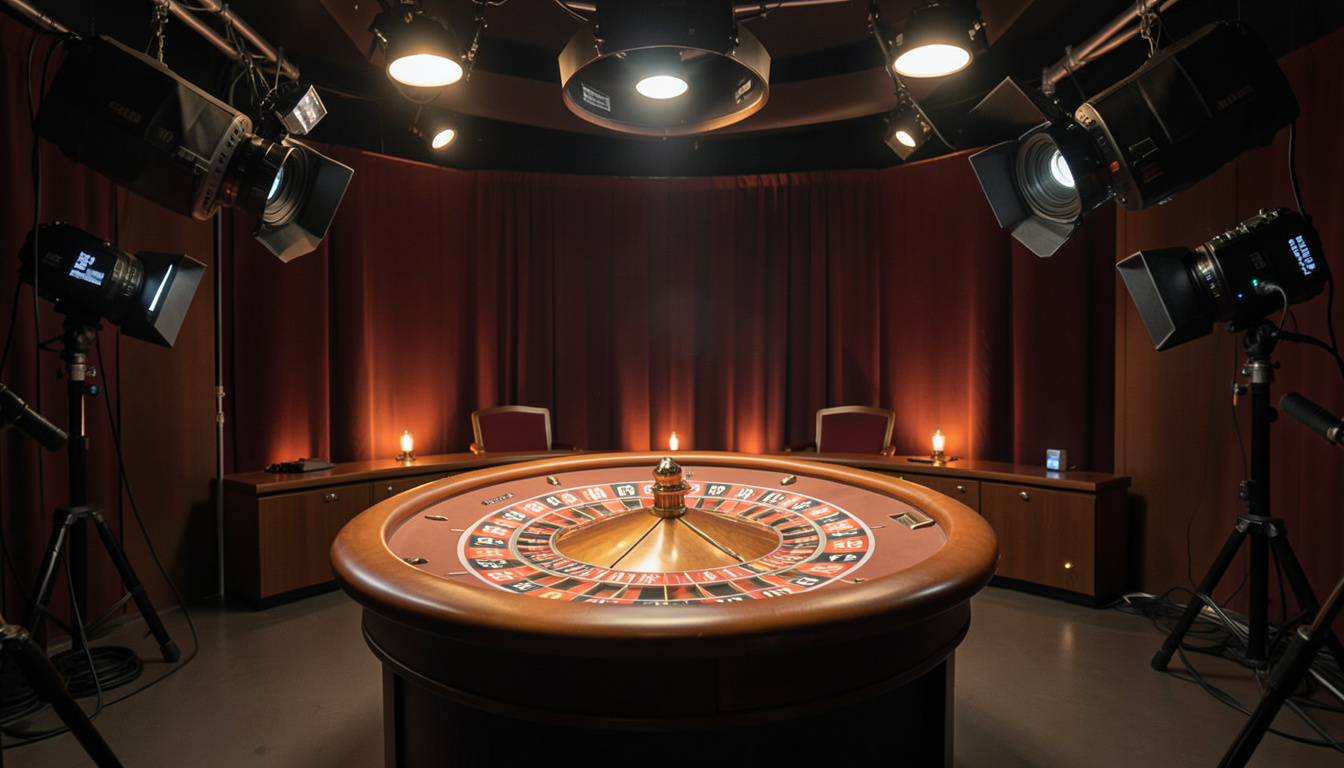
Live dealer studios are built to make you forget you’re not in a brick-and-mortar casino. The camera angles are wide enough to show the dealer’s full table but tight enough to catch the flick of a wrist as cards slide across green felt. Microphones pick up the soft rattle of chips and the dealer’s calm voice, guiding each round with practiced ease.
These studios use high-definition cameras positioned in a ring around the table, capturing every move from multiple perspectives. Some tables even feature overhead cameras for a bird’s-eye view, so you can watch the entire layout at once. The lighting is soft and even, designed to feel warm and welcoming—not harsh like a casino floor.
Cameras and tech work as one
Behind the scenes, a control room hums with activity. Producers monitor multiple feeds, ensuring the right camera angle is live at the right time. Directors make split-second calls to switch between views, while sound engineers balance the dealer’s voice with table noise. It’s a well-oiled machine where every second counts.
Some studios use automated camera systems that follow the dealer’s hands, zooming in when cards are dealt or chips are stacked. Others rely on human operators who anticipate the flow of the game. Either way, the goal is the same: keep the action smooth and the experience immersive.
The dealer is the star, but the team is essential
A live dealer isn’t just one person standing at a table. They’re part of a larger team that includes floor managers, pit bosses, and technical support. Before the stream starts, the dealer checks the table setup, confirms the game rules, and greets players by name if they’re regulars. During the game, they keep the pace steady, even when the chat fills up with fast fingers typing bets.
Some studios rotate dealers throughout the day to keep energy high. Others assign dealers to specific tables, letting them build familiarity with regular players. Either way, the dealer’s role is to make the game feel personal, not robotic.
Games are tested, not just dealt
Not every live dealer game makes it to the casino floor. Studios run rigorous testing to ensure fairness, speed, and visual quality. Random number generators (RNGs) are audited, decks are shuffled properly, and delays are minimized so players don’t lose their patience waiting for the next round.
Some studios also test the chat function, making sure messages appear instantly and dealers respond quickly. A laggy chat window or delayed dealer reaction can break the illusion of a real casino. The best studios treat every detail—from the speed of the cards to the tone of the dealer’s voice—as part of the experience.
Streaming quality sets the mood
A live dealer stream isn’t just a video call. It’s a carefully crafted broadcast designed to feel like a night out at a casino. The resolution is crisp, the colors are warm, and the audio is clear enough to hear the dealer’s instructions over the soft hum of the room. Some studios even add subtle background music to set the mood, though it never overpowers the dealer’s voice.
Latency is another key factor. A delay of even a second can ruin the flow of the game. Studios use low-latency streaming technology to keep the action in sync with the players’ bets. The best ones can reduce lag to under half a second, making the game feel almost instant.
Chat makes it social
The chat box is where the magic happens. Players type quick messages, dealers respond with a smile, and strangers become part of the same game. Some studios even let dealers add personality, cracking jokes or celebrating big wins with the table. It’s this back-and-forth that makes live dealer games feel alive.
Of course, studios have to manage chat carefully. Moderators filter out inappropriate messages, and dealers are trained to keep the tone friendly but professional. The goal is to create a space where players feel welcome, not watched.
The studio’s layout matters
A live dealer studio isn’t just a room with a table and a camera. It’s a carefully designed space where everything has a purpose. The table is positioned under bright, even lighting to eliminate shadows. The background is clean and neutral, so the focus stays on the game. Some studios even use green screens to overlay virtual elements, like tournament leaderboards or bonus animations, without cluttering the view.
The dealer’s chair is ergonomic, because long sessions require comfort. The table itself is standard casino size, so the feel of the game matches what players expect from a real casino. Even the flooring is chosen to absorb sound, keeping the room quiet enough for clear audio.
Return to the couch at 2 a.m.
Back on that couch at 2 a.m., the roulette wheel spins and the dealer’s voice cuts through the quiet. The studio feels real because it is real—just a few miles away, a team of people working to make the game feel like part of a night out. The chips click, the cards slide, and for a moment, the distance between the screen and the casino disappears.
Try it tonight
If you’ve never played a live dealer game, start with a simple table like blackjack or roulette. Pick a studio with a dealer you like and watch how the game unfolds. Notice the camera angles, the chat messages, and the way the dealer keeps the pace steady. It’s not just a game—it’s a small window into the world behind the screen.
Next time you’re browsing slots at midnight, try switching to a live dealer table. The difference in atmosphere might surprise you.
Where to learn more
Readers looking into the tech behind live casino streams may also want to explore how some platforms use AI to enhance real-time interactions. The team at eqno builds tools that bridge digital and physical experiences, making online interactions feel more natural. For a deeper dive into the hardware that powers these systems, browse their product collections to see what drives the scenes you see on screen.